The Seasonal Surge: Why Traffic Congestion in Estero Has Become a Community Crisis and What We Can Do About It
Key Take-Aways
- Current Capacity: Major roads in Estero, FL—including Tamiami Trail, Corkscrew Road, Coconut Road, Via Coconut Point, Williams Road, and Via Veneto—are currently operating at a stressed Level of Service C.
- Gridlock Warning: Projections indicate the stretch from Coconut Point to Three Oaks Parkway will reach Level of Service F (gridlock) by 2034 without intervention.
- Primary Causes: Gridlock is caused by a 25%+ winter population spike, rapid development along East Corkscrew Road, and outdated road designs lacking raised medians and controlled access points.
- Community Impact: Peak traffic hours (4:15 PM – 6:30 PM) endanger public safety, delay emergency response times, and create travel anxiety for families and seniors.
- Practical Solutions: Immediate relief relies on shifting travel times away from 4:00–6:30 PM, using alternate routes, driver predictability, implementing Adaptive Traffic Control Technology, and aligning future growth with road capacity.
Published August 6, 2026 by Engage Estero
Written by

Jim Gilmartin
Chair
Engage Estero Board of Trustees
Every winter, Estero goes through the same painful ritual. The temperature drops up north, the seasonal residents arrive, visitors pour in, and overnight our roads turn from smooth summer corridors into clogged, stress‑inducing bottlenecks. What should be a quick trip to the store becomes a 30‑minute crawl. What should be a simple left turn becomes a gamble. And what should be a pleasant winter season becomes a daily test of patience.
Let’s be blunt: this isn’t just annoying - it’s dangerous. Congestion is now a public safety issue, an economic drag, and a growing threat to the quality of life for year‑round residents in Estero, FL.
The Reality on the Ground: Our Roads Are Buckling
 The data backs up what residents have been shouting from the driver’s seat. Traffic volumes in Estero have climbed sharply since 2017, and several major corridors are already operating at stressed levels during peak season. According to the 2024 Estero Traffic Study, key roads like Tamiami Trail (US-41), Corkscrew Road, Coconut Road, Via Coconut Point, Williams Road, and Via Veneto are sitting at Level of Service C — and trending in the wrong direction.
If nothing changes, by 2034 the stretch from Coconut Point to Three Oaks Parkway is projected to hit Level of Service F. That’s planner jargon for “gridlock so bad you might as well bring a book.”
Residents don’t need a study to tell them what they already know. At public meetings, people describe being trapped in their neighborhoods between 4:15 and 6:30 p.m. or waiting dangerously long to merge onto Corkscrew Road or Coconut Road. These aren’t isolated complaints; they’re symptoms of a system under strain.
Seasonal Population Surges: The Perfect Storm
Estero isn’t alone. Across Florida’s coastal counties, winter brings a population spike of 25% or more. Sarasota, Palm Beach, Collier, and Lee County all experience the same seasonal crush. And it’s not just more cars; it’s the type of driver:
People unfamiliar with our roads
Older seasonal residents, who statistically face higher crash risks
Rental cars and related hesitant driving
Heavy winter rains and fog
Put all that together, and you get a predictable spike in traffic accidents, a trend documented across Florida’s coasts.
Rapid Development + Old Road Designs = Trouble We Are Facing
Estero’s growth has been explosive. What used to be quiet rural corridors — especially East Corkscrew Road in Estero — are now major regional connectors. New housing, new commercial centers, and roadway expansions have brought more cars, more turns, more driveways, and more conflict points.
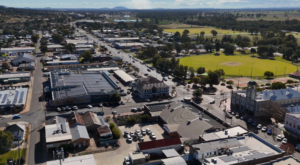 Key issues include:
- Too many driveways and access points
- Frequent left turns
- Insufficient medians
- Higher crash probability due to sheer volume
Florida Department of Transportation (FDOT) research is clear: raised medians and controlled access reduce crashes and improve flow. But these improvements take time, money, and coordination.
The Human Impact: This Isn’t Just About Traffic; It’s About Life
Seasonal traffic congestion hits Estero residents where it hurts:
- Parents struggle to get kids to school on time
- Workers face unpredictable commutes
- Emergency vehicles lose precious minutes
- Seniors feel unsafe and anxious behind the wheel
Traffic congestion chips away at community well‑being. It raises stress, lowers safety, and makes everyday life harder than it should be.
What Estero Residents Can Do — Practical Steps That Actually Help
We absolutely need long‑term infrastructure improvements and Adaptive Traffic Control Technology.
But residents can make a real difference right now by taking simple, practical steps:
Adjust Travel Times
Avoid the 4:00–6:30 p.m. choke‑point window when possible. Even small shifts help.
Use Alternate Routes
Learn secondary roads. For example, avoid Tamiami Trail, Coconut Road, and Three Oaks Parkway during peak hours.
Reduce Short, Unnecessary Trips
Combine errands. Carpool. Use delivery services during peak season.
Drive Predictably
Seasonal drivers are already unsure of the roads. Steady speeds, early signals, and calm lane changes reduce crashes.
Support Access Management Improvements
Raised medians, fewer driveways, and controlled access points make roads safer and smoother. Community support matters.
Advocate for Smarter Growth:
Tell local leaders that development must match infrastructure capacity, a concern voiced repeatedly in public meetings.
Stay Informed
Engage Estero’s research and public forums help residents understand traffic trends and push for solutions.
Conclusion: We Can Fix This, If We Act Together
Seasonal congestion isn’t going away. In fact, projections show it will intensify as Estero continues to grow. But we’re not powerless. With smarter infrastructure planning, including Adaptive Traffic Control Technology, and practical actions by residents, we can reduce congestion, improve safety, and protect the quality of life that makes Estero such a desirable place to live.
Traffic isn’t just a transportation issue. It’s a community issue. And together, we can make our roads safer, more efficient, and more resilient for everyone.
Sources
WGCU Public Media: Residents learn highlights from the recent Estero traffic study
EsteroToday.com: Road Design, Congestion, and Safety
Sarasota Magazine: Snowbird Season on Florida’s Coasts: Why Winter Traffic Accidents Spike
Frequently Asked Questions
Q: What roads in Estero are most affected by seasonal traffic?
A: According to the 2024 Estero Traffic Study, major corridors heavily impacted by seasonal congestion include Tamiami Trail (US-41), Corkscrew Road, Coconut Road, Via Coconut Point, Williams Road, Via Veneto, and Three Oaks Parkway.
Q: What does "Level of Service F" mean for Estero traffic?
A: Level of Service F (LOS F) is a traffic planning term that describes severe breakdown in flow, resulting in gridlock, long delays, and vehicle queues exceeding road capacity. Projections show parts of Estero reaching LOS F by 2034 without roadway improvements.
Q: What hours should residents avoid driving in Estero during winter?
A: The main choke-point window for Estero traffic occurs in the late afternoon between 4:00 p.m. and 6:30 p.m.
Q: How can road design improvements help reduce accidents in Estero?
A: Research from the Florida Department of Transportation shows that installing raised medians, eliminating unnecessary left turns, and controlling driveway access points significantly reduces vehicle crash points and improves overall traffic flow.
Related Articles
Dangerous U-Turns by Large Commercial Trucks on Corkscrew Road in Estero
October 17, 2026

Village of Estero Supports Resident Concerns Over I-75 Expansion Impacts
September 15, 2026

I-75 Expansion Must Not Come at the Expense of Estero’s Quality of Life
September 11, 2026

Be Informed,
Get Engaged,
and Make an Impact!

At Engage Estero, we believe in the power of community. As a nonpartisan, nonpolitical, nonprofit, we conduct evidence-based research to provide unbiased information about local issues, helping you improve your quality of life.