Why Lifelong Friendships Matter for Healthy Aging in Estero
Key Takeaway
Research consistently shows that maintaining lifelong friendships improves physical health, emotional well-being, cognitive function, and longevity. For Estero residents, staying connected through neighbors, organizations, volunteer opportunities, and community events can make healthy aging more rewarding.
Strong friendships are one of the most valuable investments we can make throughout life. Research consistently shows that meaningful social connections improve physical health, emotional well-being, and longevity. For residents of Estero and surrounding communities, maintaining lifelong friendships—and creating new ones—can play an important role in healthy aging and building a stronger community.
Published July 30, 2026 by Engage Estero
Written by
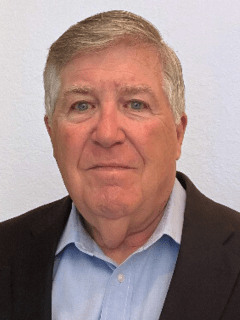
Terry Flanagan
Vice President of Administration
Why Friendships Become Harder to Maintain as We Age
From our late teens through our early 30s, friendships often develop naturally. Neighborhood gatherings, schools, churches, workplaces, and community activities create opportunities for regular interaction and shared experiences. These environments encourage trust, vulnerability, and the mutual support that researchers now recognize as the foundation of lasting friendships.
As we grow older, however, maintaining those relationships requires greater intention. Careers, raising families, relocations, caregiving responsibilities, and retirement all reduce the amount of free time available for socializing. The structured environments that once made friendships effortless gradually disappear.
Research suggests that it typically takes 40 to 60 hours of shared leisure time to develop a casual friendship, 80 to 100 hours to form a genuine friendship, and more than 200 hours together to create a close bond. Adult life rarely provides that much uninterrupted time, making our existing friendships increasingly valuable.
Research Shows Strong Friendships Improve Health
 The benefits of long-term friendships extend far beyond companionship.
Large-scale studies involving hundreds of thousands of participants have found that people with strong social relationships are approximately 50 percent more likely to live longer than those with weaker social connections. Some researchers suggest that maintaining close friendships can have health benefits comparable to quitting smoking or improving other major lifestyle factors.
Quality friendships also help:
● Reduce stress and anxiety
● Lower the risk of depression
● Improve emotional resilience
● Support cognitive health
● Provide a greater sense of purpose
● Reduce feelings of loneliness and isolation
These benefits become especially important during retirement, after the loss of a spouse, or during other significant life transitions that many older adults experience.
Small Steps Can Strengthen Lifelong Friendships
Friendships rarely disappear all at once. More often, they slowly fade as busy schedules replace regular conversations.
One simple way to reverse that trend is to make a conscious effort to contact one friend every day or two—even someone you haven't spoken with in years. Recognition is often immediate. A familiar voice, shared memories, and a brief conversation can brighten both people's day.
Just ten or fifteen minutes spent catching up can reinforce a relationship that has taken decades to build. These small acts accumulate over time, helping preserve the connections that provide continuity, support, and joy throughout life.
Reaching out reminds both people that someone still remembers their shared history, cares about their present, and values their friendship.
Building Community Through Friendship in Estero
 Friendship Month, which concludes each year with the International Day of Friendship on July 30, reminds us that strong communities are built through meaningful personal relationships.
For residents of Estero, friendships often begin through neighborhood associations, volunteer organizations, faith communities, local clubs, recreational activities, and community events. These connections not only enrich individual lives but also strengthen the community as a whole.
As people age, both maintaining existing friendships and creating new ones become essential parts of healthy living. Whether reconnecting with an old friend, attending a local community gathering, volunteering, or simply making time for a phone call, every effort helps strengthen the social bonds that contribute to happier, healthier lives.
Keeping friendships alive is not simply an act of nostalgia—it is one of the most practical investments we can make in our health, our happiness, and the future of our Estero community.
Ways to Get Involved
It's never too late to make new friends. If you are looking for a way to get connected to people who share your interests, here are some local ideas.
Attend a Local Event
The Estero Today calendar includes events from various local organiations, as well as links to additional opportunities.
> Calendar
Volunteer
Putting your passion to work is a great way to feel fulfilled and meet other who share your devotion. Engage Estero depends heavily on volunteers, as do many, many other local agencies.
> Volunteer for Engage Estero
> Idealist Volunteer Matching Website (fka VolunteerMatch)
> Volunteer Florida
Join a Local Social Club
There are lots of clubs and social groups in the area that focusing on everything from fishing to gardening, books to history.
Frequently Asked Questions
Why are lifelong friendships important as we age?
Lifelong friendships provide emotional support, reduce feelings of loneliness, improve mental health, and are associated with better physical health and longer life. Strong social connections help people navigate major life changes such as retirement, relocation, or the loss of a loved one.
How do friendships contribute to healthy aging?
Research shows that meaningful friendships can reduce stress, lower the risk of depression and anxiety, support cognitive health, and foster a greater sense of purpose. Maintaining social connections is considered an important part of healthy aging.
Why is it harder to make friends as an adult?
As adults, work, family responsibilities, caregiving, and busy schedules leave less time for the repeated interactions that help friendships grow. Studies suggest that developing close friendships requires many hours of shared experiences, making it more challenging later in life.
What are simple ways to maintain lifelong friendships?
Small, consistent efforts can make a big difference. Calling a friend, scheduling regular visits or coffee meetups, participating in community events, volunteering, or joining local organizations can help strengthen existing friendships and create new ones.
How can Estero residents build new friendships?
Residents can meet new people by participating in local community events, volunteering with nonprofit organizations, joining neighborhood groups, attending educational programs, participating in recreational activities, or becoming involved with community organizations such as Engage Estero. Staying active in the community creates opportunities to develop meaningful relationships while contributing to Greater Estero.
Related Articles
Village of Estero Supports Resident Concerns Over I-75 Expansion Impacts
September 15, 2026

I-75 Expansion Must Not Come at the Expense of Estero’s Quality of Life
September 11, 2026

I-75 Widening: Is the Florida Department of Transportation Underestimating the Long-Term Noise Impact?
September 10, 2026

Be Informed,
Get Engaged,
and Make an Impact!

At Engage Estero, we believe in the power of community. As a nonpartisan, nonpolitical, nonprofit, we conduct evidence-based research to provide unbiased information about local issues, helping you improve your quality of life.