
Protecting Our Estero: Public Health, Infrastructure, Increasing Weather Extremes,
Introduction
Americans disagree about many things, but one principle has long united us: important decisions should be based on evidence.
Whether we are choosing medical treatments, building bridges, preparing for hurricanes, or protecting our homes and businesses, we depend on facts and expert knowledge. Human impacts on the environment deserve the same approach.
Today, there is overwhelming scientific agreement that the Earth is warming and that long-term changes in weather patterns and activities, principally the burning of coal, oil, and natural gas, are the primary cause.

This conclusion is not based on a single study or a handful of researchers. It reflects decades of measurements, observations, computer modeling, and peer-reviewed scientific research conducted around the world.
Recent analyses of scientific literature find that 97 to 99.9 percent of scientists on changing weather patterns agree that human-caused contamination is occurring. Thousands of scientists from around the world have concluded that human impacts on the environment and the Earth’s weather system are “unequivocal.”
For many residents, however, the question is not whether scientists agree. The question is whether the impact on our planet matters here.
The Answer Is “Yes.”
Human impacts on the environment are not just a discussion about polar ice caps or distant countries. They affect issues that directly impact communities across the South.
 One example is extreme heat. Scientists have documented an increase in the frequency and intensity of heat events in many regions. Higher temperatures can affect public health, outdoor workers, energy demand, and local infrastructure.
Another concern is flooding. As sea levels rise, Gulf communities face greater risks from tidal flooding and storm surge. Even modest increases in water level can allow storm-driven water to reach farther inland than before. Roads, utilities, businesses, and homes become more vulnerable.
Heavy rainfall events are also a growing concern in many areas. When heavy rain falls in a brief period of time, drainage systems can be overwhelmed, resulting in localized flooding and property damage.
These events do not mean that human impacts on the environment cause every storm, flood, or heat wave. The weather has always varied. However, scientists have concluded that pollution is increasing the likelihood and severity of certain extreme events. Reasonable people can disagree about public policy responses and debate energy choices, costs, regulations, technology, and priorities.
Water Quality
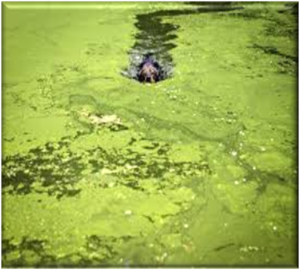 Water quality is another issue attracting growing attention from scientists and local governments. As air and water temperatures rise, lakes, rivers, estuaries, and Gulf waters can undergo significant shifts. Warmer water holds less dissolved oxygen, which fish and other aquatic life need to survive. Low oxygen levels can stress aquatic ecosystems and contribute to fish kills.
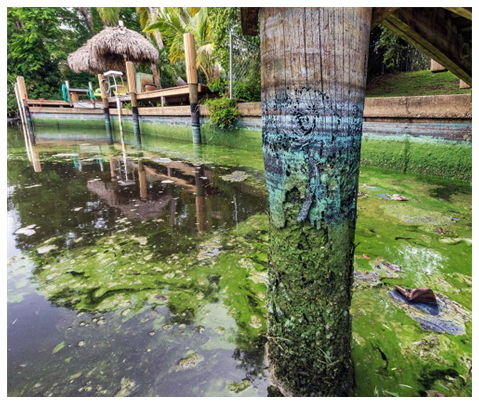
Higher temperatures can also promote harmful algal growth. Some algal blooms produce toxins that affect fish, wildlife, pets, and humans. These blooms can also harm tourism and recreational activities that are important to many local economies.
More intense rainfall presents another challenge. Heavy downpours can wash fertilizers, pollutants, oils, and other contaminants from developed areas into rivers, lakes, and coastal waters. Stormwater systems designed for past weather conditions may become overwhelmed, increasing the amount of pollution reaching waterways.
In coastal Gulf communities, rising water levels can contribute to saltwater intrusion into freshwater aquifers and wetlands. This process can affect drinking water supplies, natural habitats, and agricultural lands. Saltwater intrusion has become a growing concern in many low-lying regions.
For communities that rely on clean water for recreation, tourism, fishing, property values, and public health, maintaining water quality may become an increasingly important part of adapting to long-term shifts in weather patterns.
Southwest Florida residents have already faced water-quality challenges, including harmful algal blooms, red tide events, stormwater runoff, and concerns about estuary health. While human impacts on the environment are not the sole cause of these problems, many scientists believe that warmer waters, rising sea levels, and more intense rainfall can worsen existing water-quality challenges. As a result, protecting local waterways may require both traditional pollution-control measures and long-term adaptation to changing conditions.
What Is More Difficult To Dispute Is The Growing Body Of Scientific Evidence
Throughout history, societies have benefited when they paid attention to credible evidence before problems became crises. Communities routinely prepare for hurricanes before landfall, not after. Businesses assess risks before making investments. Families purchase insurance before disasters strike.
Human Impacts On The Environment Should Be Approached In The Same Practical Manner
Most residents share common goals. We want to live in safe neighborhoods. We want strong local economies. We want affordable insurance. We want reliable infrastructure. We want our children and grandchildren to inherit healthy, prosperous, and resilient communities. Local concerns include:
- Flood insurance costs
- Risk of hurricane storm surge
- Saltwater intrusion into water supplies
- Extreme heat affecting seniors
- Property values and coastal infrastructure
- Resilience planning for roads, drainage, and utilities
These concerns are not partisan. They are community worries. The discussion, therefore, should focus on evidence, risk management, and responsible planning.
The scientific evidence is strong. The potential impacts are significant. The prudent course is to understand the risks, prepare for them, and make decisions based on facts rather than assumptions. That is how successful communities have always addressed challenges, and human impacts on the environment should be no exception.
Options and actions for Greater Estero are not dramatic ones. The largest water-quality improvements typically come from:
- Reducing fertilizer runoff.
- Protecting wetlands and conservation lands.
- Improving stormwater treatment and retention.
- Accelerating septic-to-sewer conversions where feasible.
- Increasing citizen oversight of development projects affecting waterways.
These five actions directly address the principal nutrient and pollution sources affecting Estero Bay, the Estero River, Halfway Creek, and surrounding watersheds, while remaining practical and achievable at the local level.
What The Village of Estero is Doing
The Village of Estero is taking proactive steps to protect residents, businesses, and natural resources from flooding, stronger storms, extreme heat, and other environmental challenges.
Over the past several years, the Village has preserved nearly 200 acres of land, strengthened flood protection planning, improved stormwater and wastewater infrastructure, and secured more than $26 million in state and federal grants for major watershed and stormwater projects.
Key initiatives include:
- Updating floodplain regulations following recent hurricanes
- Purchasing the former Three Oaks/Corkscrew school site to improve stormwater management and prevent future development
- Constructing new sewer infrastructure to protect water quality
- Partnering with disaster management experts to oversee major resiliency projects
Together, these efforts help reduce flooding, protect water resources, preserve open space, and strengthen Estero's long-term environmental resilience.
Actions Residents Can Take
Make Water Quality a Local Election Issue
Ask candidates for Village Council, Lee County Commission, state legislative offices, and water-management boards specific questions:
- How will you reduce nutrients that enter Estero Bay?
- Do you support strict enforcement of fertilizer ordinances?
- What are your priorities for stormwater improvements?
- How will you protect wetlands and natural filtration areas?
- What metrics will you publish to show water-quality improvement?
Estero's Comprehensive Plan already identifies maintaining and improving water quality as a priority. Residents can encourage elected officials to implement those policies actively.
Attend Public Meetings
Residents often underestimate their influence.
Village Council, Lee County Commission, and water-management meetings frequently address:
- Development approvals
- Wetland impacts
- Stormwater systems
- Water-resource management
- Conservation funding
A small number of informed citizens can significantly influence local decisions.
Support Conservation Organizations
Organizations already working on water quality and habitat protection include:
- CREW Land & Water Trust Office
- Captains For Clean Water
- Audubon Western Everglades
- Keep Lee County Beautiful Inc
- Calusa Waterkeepers
These organizations advocate for watershed protection, wetland preservation, cleanup programs, and public education.
Report Environmental Violations
The Village specifically encourages residents to report:
- Illegal discharges
- Septic failures
- Construction runoff
- Chemical dumping
- Pollutants entering storm drains
The Village's stormwater program relies heavily on citizen reporting.
Practical Actions for Residents
Reduce Fertilizer Use
This is the single most important action.
The Village of Estero and Lee County repeatedly identify excess fertilizer nutrients as a major contributor to water-quality problems and harmful algal blooms. Residents are encouraged not to fertilize during the rainy season and to prevent fertilizer from reaching waterways.
Practical steps:
- Follow the summer fertilizer blackout period.
- Sweep fertilizer off driveways and sidewalks.
- Maintain buffers near ponds, canals, and lakes.
- Use Florida-Friendly Landscaping techniques.
Convert Traditional Lawns to Native Landscaping
Native plants:
- Require less irrigation
- Need less fertilizer
- Reduce runoff
- Support wildlife
Residents can learn more through the Cocoloba Chapter of the Florida Native Plant Society and local Florida-Friendly Landscaping programs.
Pick Up Pet Waste
Pet waste contributes nutrients and bacteria to local waterways.
The Village specifically identifies improper disposal of pet waste as a source of water pollution.
Maintain Septic Systems
For homes still using septic systems:
- Pump regularly
- Avoid chemical abuse
- Prevent drain-field damage
- Support sewer conversion where practical
The Village identifies failing septic systems as a potential source of human impact on the environment.
Conserve Water
Southwest Florida periodically experiences groundwater stress and drought conditions.
Reducing unnecessary irrigation protects aquifers and lowers runoff volumes. Lawn irrigation can account for half of household water use.

Practical Actions for Businesses
Improve Stormwater Controls
Commercial properties can:
- Install rain gardens
- Increase permeable surfaces
- Use bioswales
- Improve retention ponds
- Reduce direct runoff to waterways
Estero's Comprehensive Plan emphasizes maximizing stormwater retention and treatment.
Reduce Chemical Exposure to Rainfall
Businesses should ensure:
- Chemicals are stored under cover
- Waste materials are contained
- Pressure-washing runoff is controlled
- Loading areas are protected from stormwater
These are common sources of illicit discharges identified by the Village.
Adopt Florida-Friendly Landscaping
Commercial landscapes often use the largest amounts of water and fertilizer.
Reducing fertilizer application and irrigation can lower costs while reducing human impacts on the environment.
Support Watershed Restoration
Businesses can sponsor:
- Water-quality monitoring
- Wetland restoration
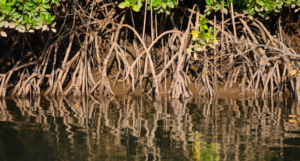
- Mangrove replenishment
- Tree planting
- Community cleanups
- Environmental education
Organizations such as Keep Lee County Beautiful Inc and CREW Land & Water Trust Office provide opportunities for business participation.
Principal Reference Sources Supporting Factual Statements
Scientific Consensus
- Nature Human Behavior (2024): Analysis across 27 countries reporting near-universal scientific consensus (97–99.9%) that long-term changes in climate and weather patterns are occurring as a result of human activity.
- https://www.nature.com/articles/s41562-024-01928-2
Human Influence Is "Unequivocal"
- IPCC Sixth Assessment Report summary as reported and discussed in coverage of the 2021 assessment. The IPCC concluded it is "unequivocal" that human activities have warmed the atmosphere, ocean, and land.
- https://www.carbonbrief.org/in-depth-qa-the-ipccs-sixth-assessment-report-on-climate-science/
Increasing Heat Extremes
- Recent reporting summarizes weather attribution studies and observed increases in extreme heat events linked to warming temperatures.
- https://www.worldweatherattribution.org/fossil-fuel-emissions-have-rapidly-worsened-european-heatwaves-in-just-a-few-decades/
Warmer water reduces dissolved oxygen and stresses aquatic life
- U.S. Environmental Protection Agency - Impacts on Water Resources
- U.S. Geological Survey Water Science School
Warmer water can increase harmful algal blooms
- National Oceanic and Atmospheric Administration Harmful Algal Blooms and Warmer Weather
- U.S. Environmental Protection Agency Harmful Algal Blooms
Heavy rainfall increases pollutant runoff into waterways
- EPA Impacts on Water Resources Environment
- https://www.routledge.com/Impact-of-Climate-Change-on-Water-and-Health/Grover/p/book/9781466577497
Related Articles by Engage Estero
Written by

Jim Gilmartin
Engage Estero Board of Trustees
Published July 1, 2026 by Engage Estero
Be Informed,
Get Engaged,
and Make an Impact!

At Engage Estero, we believe in the power of community. As a nonpartisan, nonpolitical, nonprofit, we conduct evidence-based research to provide unbiased information about local issues, helping you improve your quality of life.