
Written by guest author Brandi Freeman, FGCU
Southwest Florida’s natural beauty depends on a delicate balance of native plants, wildlife, and ecosystems. But across Lee County and surrounding areas, invasive plant species continue to threaten that balance by spreading rapidly and crowding out native vegetation.
Some of the most common invasive plants in our region include melaleuca, Brazilian pepper, and Australian pine. Many of these species were originally introduced decades ago for landscaping or erosion control, but over time they spread into natural areas where they disrupted local ecosystems.
Dense invasive growth can reduce biodiversity, damage wildlife habitats, alter soil and water conditions, and even increase wildfire risks. As a result, local governments and conservation organizations spend significant time and resources removing invasive plants from preserves and public lands. Programs such as Lee County’s Conservation 20/20 actively work to restore native habitats throughout the region.
One of the most effective ways residents can help is by choosing native landscaping.
Native Florida plants are naturally adapted to Southwest Florida’s climate and often require less water, fertilizer, and maintenance than non-native species. They also provide important food and shelter for birds, butterflies, pollinators, and other wildlife.
Residents can support healthier local ecosystems by:
- Selecting Florida-friendly native plants such as firebush, cocoplum, and live oak
- Avoiding known invasive species when landscaping
- Properly disposing of yard waste to prevent invasive plants from spreading into natural areas
Even small landscaping choices can make a meaningful difference in protecting Southwest Florida’s environment for future generations.
Engage Estero continues to share information about conservation, sustainable landscaping, and environmental planning efforts that affect our community.
Thinking about updating your landscaping this season? Before planting, review Florida-friendly landscaping recommendations and invasive species lists to help protect our local environment. Learn more at:
https://ffl.ifas.ufl.edu/
Related Articles by Engage Estero
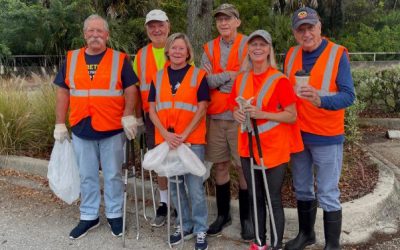
Estero’s Hwy 41 Is Much Cleaner This Weekend! More Than 740 Pounds of Rubbish Removed!
The ECCL is pleased to report another extraordinary effort from volunteers helping clear the rubbish along an Estero section of Hwy 41 this weekend. That brings this season's total - starting in October 2021 - to 3,240 pounds, and our total since October 2020 to 8,280...
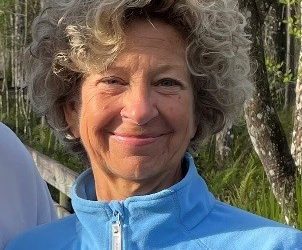
Featured Volunteer: Julie Yellig
In 2019, Julie approached the ECCL to consider adopting Hwy 41 in Estero through the FDOT Adopt a Highway program, and the program commenced in October 2020. More than 4 tons of litter have been collected since the program began.
Written by Brandi Freeman, FGCU
Be Informed,
Get Engaged,
and Make an Impact!

At Engage Estero, we believe in the power of community. As a nonpartisan, nonpolitical, nonprofit, we conduct evidence-based research to provide unbiased information about local issues, helping you improve your quality of life.